Umair Yasin, Founder- House of Duaa - Creating waterless diffusers and oils from Middle Eastern traditions designed to bring warmth, serenity, and elegance into everyday spaces.
Riding Some Dirt At Coyote Creek
Get link
Facebook
X
Pinterest
Email
Other Apps
I rode my Vado over to the Coyote Creek trail in the morning to ride on the dirt trails adjacent to it for my easy day ride. These are mostly intended for equestrian use, but I had them all to myself. This made for a peaceful ride of a bit over an hour, mostly standing up to pedal.
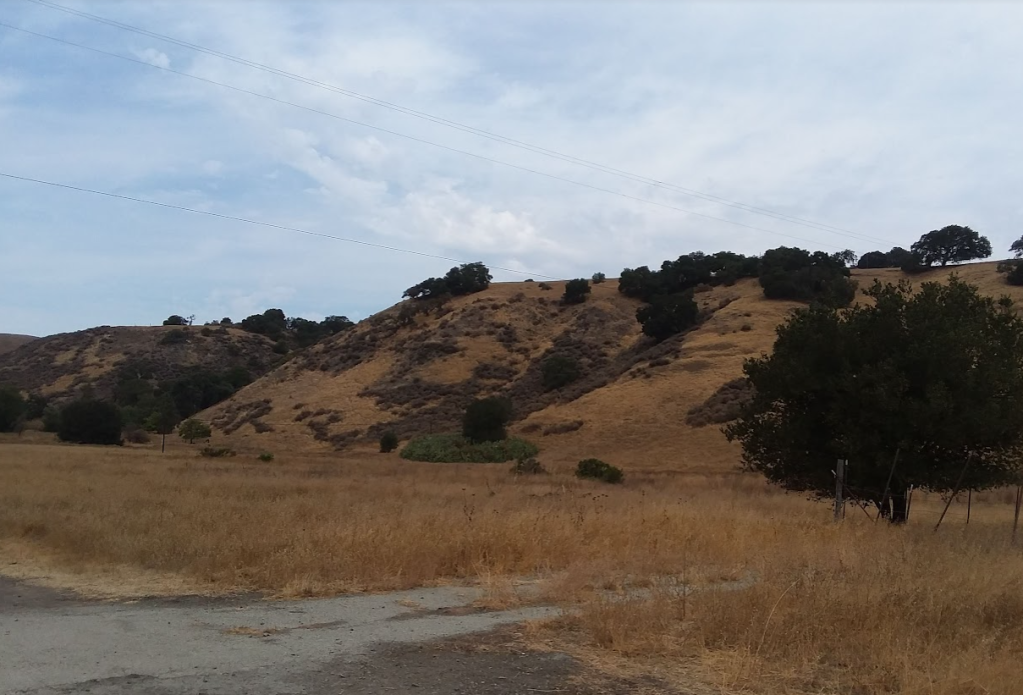
The goats are “mowing” a new location next to one of the unpaved trailsThis is the site of an old winery. The house and outbuildings have all been taken down because they were in bad repair so it was a safety hazard. The circular green grove in the center is prickly pear cactus. I went hiking over there once and touched one of the prickly pear fruits with my bare hand, learning to my dismay that they are not kidding about the name.
from BionicOldGuy https://ift.tt/XvKJOcy
via IFTTT
When disaster strikes — whether it’s a natural disaster, power outage, supply chain disruption, or unexpected emergency — preparation makes all the difference. Yet many families make critical mistakes when it comes to emergency preparedness. Often, it’s not intentional neglect — it’s simply waiting too long, assuming “it won’t happen to us,” or not knowing where to start. Here are some of the most common emergency preparedness mistakes — and how you can avoid them. Waiting Until It’s Too Late One of the biggest mistakes people make is procrastinating. Preparation isn’t something to think about when a storm is already forming or store shelves are empty. By then, supplies are limited, prices surge, and stress levels skyrocket. Emergency readiness should be proactive, not reactive. Preparedness is about peace of mind. Having essentials stored ahead of time means you can focus on safety — not scrambling. Not Having Enough Water Water is the most critical survival necessity. Experts g...
I’m Umair Yasin , and for years, wherever I traveled—Saudi Arabia, Dubai, Qatar, Turkey, and beyond—I would return home with bags full of bakhoor, perfumes, candles, and air fresheners. Each scent carried a memory: the serenity of Madinah, the warmth of hospitality, the calm of a masjid, the quiet luxury of a five-star hotel lobby. I was deeply drawn to how fragrance could instantly transport you, shift your mood, and make a space feel alive and meaningful. But those moments were always temporary. Candles would fade. Sprays would disappear. Traditional bakhoor required time and intention. Eventually, a question stayed with me: why couldn’t this feeling live in our homes all day, every day, in a modern and effortless way? One day, while unpacking yet another collection of scents, my daughter Duaa asked a simple but profound question: “Why can’t we make this for everyone?” That question changed everything. House of Duaa was created as a father-daughter vision to bring the beauty o...
Home fragrance has evolved far beyond candles and basic sprays. Today, scent is part of how people design their living spaces—just like lighting, furniture, and color. The right fragrance can make a home feel calm, fresh, luxurious, or comforting within seconds. But with so many diffuser types available, it can be confusing to understand which one actually fits modern living best. The three most common options today are ultrasonic (water-based) diffusers, waterless diffusers, and reed diffusers. Each one works differently, and each creates a different kind of fragrance experience. Ultrasonic (Water-Based) Diffusers Ultrasonic diffusers are often the first type people encounter. They use water combined with essential oils and release a light mist into the air. They are popular because they are affordable, easy to use, and often come with LED lighting features. However, they also come with limitations. Because the fragrance is diluted in water, the scent throw is usually lighter an...



Comments
Post a Comment